Why 80% of marketing budgets are measured incorrectly (and how we do things differently)
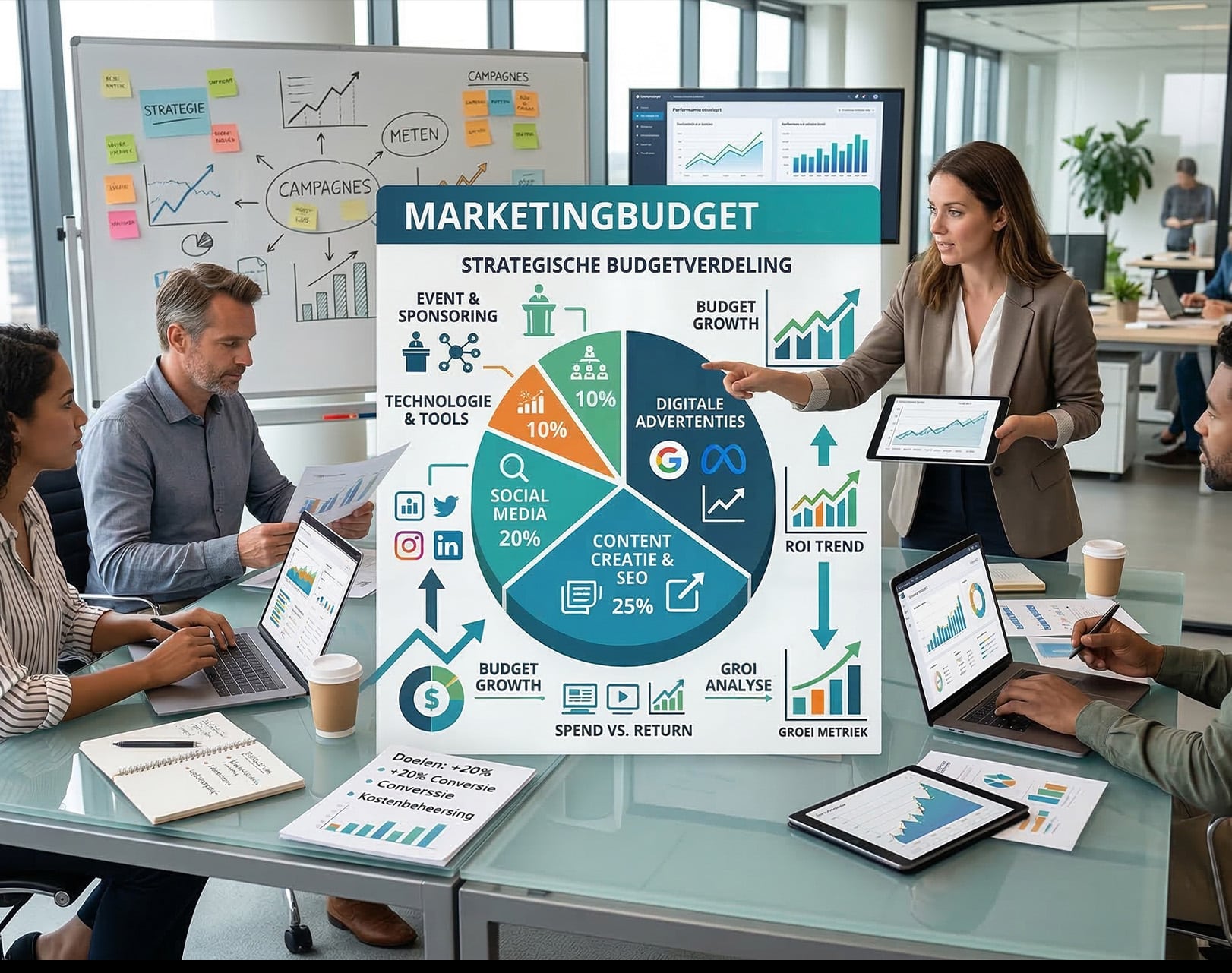
Marketing often comes down to one question: what does it deliver? Yet in practice, a large share of marketing budgets is not measured properly. Businesses look at individual statistics such as clicks, impressions or social likes, but miss the bigger picture. This leads to the wrong conclusions and missed opportunities for growth.
At Social Roots, we regularly see this when we start working with a new client. Campaigns are running and budgets are being spent, but it is not always clear which efforts actually contribute to revenue or bookings.
The problem with fragmented data
Many organisations use several tools at once. Google Ads, Meta Ads, Google Analytics, email software, CRM systems and sometimes additional dashboards. Each platform provides its own figures, but these rarely tell the whole story.
For example, a click on an advert can lead to a website visit, after which someone returns via Google days later and eventually books. Traditional reports often give all the credit to that final click.
This means a large share of the marketing effort remains invisible.
Why marketing attribution is complicated
Today's customer journey is rarely linear. People see an advert, read reviews, view an Instagram post, click on a newsletter and search again via Google later.
If you only look at the final step, you miss the value of everything that happened before it.
That is why we look at the entire user journey at Social Roots. Not just the moment of conversion, but also the steps leading up to it.
Measuring what really happens
When we set up campaigns, we first put the right measurement framework in place. This includes:
- clearly defined conversions in GA4
- properly configured tracking via Google Tag Manager
- connections between advertising platforms and analytics
- insight into micro-conversions such as scrolling behaviour, clicks or interactions
Combining this data creates a more realistic picture of what works and what does not.
Using data to make smarter decisions
Better data also allows you to optimise campaigns more effectively. Instead of only looking at cost per click, we look at factors such as:
- cost per actual enquiry
- cost per reservation or sale
- which campaigns contribute to multiple stages of the funnel
This ensures marketing budgets are used more efficiently.
Marketing is not a guessing game
When data is measured properly, marketing becomes much less of a guessing game. You can see more quickly which campaigns are growing, where opportunities lie and where budgets could be allocated more effectively.
The result is not just better performance, but also greater confidence in decision-making. You are working with facts rather than assumptions.
Conclusion
A large share of marketing budgets is assessed incorrectly because data is incomplete or misinterpreted. Measuring campaigns across the entire customer journey creates a much more realistic picture of what works.
At Social Roots, we therefore believe that smart marketing starts with smart data. Because only when you know what is really happening can you build campaigns that keep growing.